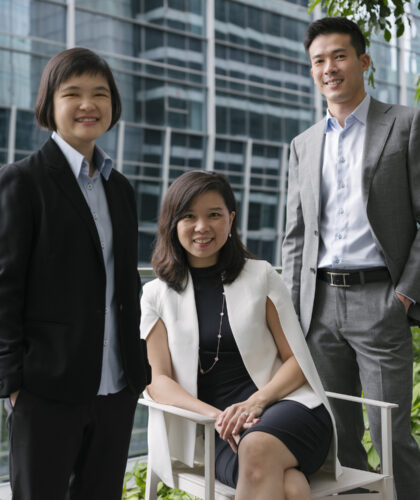
Diabetes remains one of the most common non-communicable diseases in Singapore. A 2010 report revealed that 1 in 9 residents between 18 to 69 years were affected by diabetes, with another 14% of Singaporeans aged 18–69 years diagnosed with pre-diabetes. To combat this, three medical doctors – Dr. Sue-Anne Toh, Dr. Kyle Tan and Dr. Joanne Tay – came together and founded NOVI Health in 2018. The Singaporean health tech startup specialises in diabetes care and weight loss, with a unique holistic approach that integrates clinical treatments with behavioural and lifestyle interventions.
“Even if you have the best expertise to come up with the perfect assessment and plan to get healthier, human beings are not always rational,” says Dr. Toh, a senior endocrinologist and CEO at NOVI Health. That’s why NOVI facilitates building trusted relationships between users and its care team who can empower them on their journey and support them all the way.
Our landlord doubled our rent last year — it was the final push we needed to go remote.
My now-husband and I had been talking about it for years. We pictured ourselves spending long stretches living and working near beaches and nature. The desire only grew stronger during the quiet of the COVID lockdowns. But like many Singaporeans, we were tethered by the demands of our jobs and an apartment lease that kept our feet firmly homebound…
After all, we had everything lined up: I’d been freelancing, as a content and editorial strategist, for a year, and my husband had a remote job. Being location-independent was feasible, and since we hadn’t yet decided on starting a family, this window of freedom felt worth seizing.
We ended our lease, packed up, and took the plunge into nomadic living. Ten months in, we’ve made homes out of Bali, Rome, Tuscany, Bangkok, Phuket — and soon, Alicante, Spain — spending two to three months in each place.
For many high-achieving and ambitious women, the ability to multi-task was often sold as a recipe for professional success. According to productivity experts and behavioural scientists, multi-tasking isn’t actually something to be celebrated; in fact, it’s a damaging myth that harms women.
Multi-tasking is a lie. There, we said it. For as long as we can remember, we’ve celebrated the ability to perform multiple tasks at the same time as the ultimate badge of honour. At work, many high-achieving ambitious women have been sold the same story: that our ability to multitask and master the art of plate-balancing was a fail-proof path to success. However, according to productivity experts and behavioural scientists, multi-tasking isn’t actually something to be celebrated; in fact, it’s a damaging myth that harms women’s ambitions.
The idea of multi-tasking first originated in the 1960s, used in reference to a single computer carrying out two or more tasks simultaneously. (You can already see how adapting a concept originally intended for computer functionalities to describe human capabilities is problematic.) Eventually, the concept became adopted in the workplace and lauded as a sign of efficiency and competency.
This later morphed into gendered tropes of women as “natural multitaskers”, innately and effortlessly able to balance the socially constructed demands of juggling a paid job while running a household and taking care of those around them. It’s a myth that remains perpetuated in popular culture and the media (even backed by questionable research) till recently. After all, how often have we been fed with images of the ‘multi-tasking supermom’, juggling everything from housework and kids’ lunchboxes to organizing social dinners on top of everything else?
In a new campaign with the British Council, the 33-year-old brings the traditional Malaysian textile to the global stage
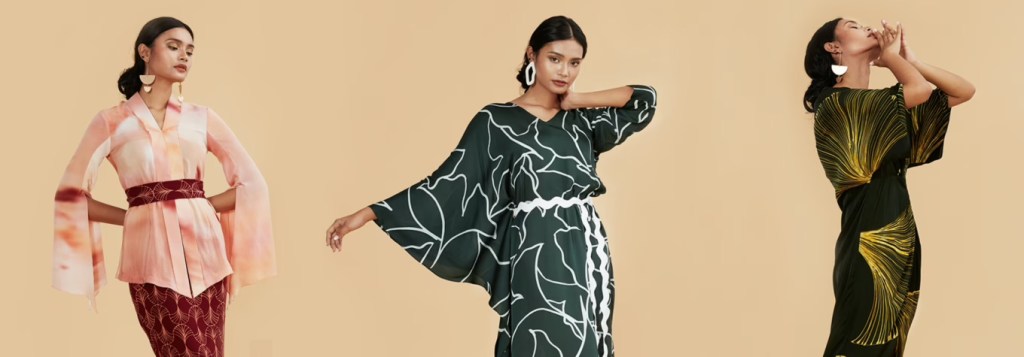
Once seen as a traditional fabric worn by the older generation, batik has seen a revival in recent years, thanks to a new wave of designers modernising the art form. One of them is KL-based Fern Chua, the self-taught batik-maker and founder of womenswear label FERN.
Known for her signature resort wear wraps and kaftans bearing contemporary prints, Fern first started dabbling in batik 10 years ago, as a way to rehabilitate her hand after a serious car accident. Falling in love with the art, she eventually launched her eponymous label in 2013. In the ensuing years, she has championed batik by engaging local artisans in her work and raising awareness through batik workshops with the Institut Kraf Negara.
The 33-year-old is now one of the six artists featured in the new Crafting Futures campaign by the British Council, which celebrates traditional crafts from around the world by spotlighting practitioners from Mexico, Thailand, Philippines, UK, Romania, and Malaysia. The campaign film, entitled Why I Make, features Fern in her studio, where viewers get a glimpse into her design process and what batik means to her.
We recently caught up with Fern, who talks about the campaign, the challenges she faces as a modern batik designer, and why preserving the art form is so important to her.
Under threat from poaching and habitat loss, there are fewer sun bears than there are orangutans in Borneo today – this is the story of one man’s commitment to keep them alive
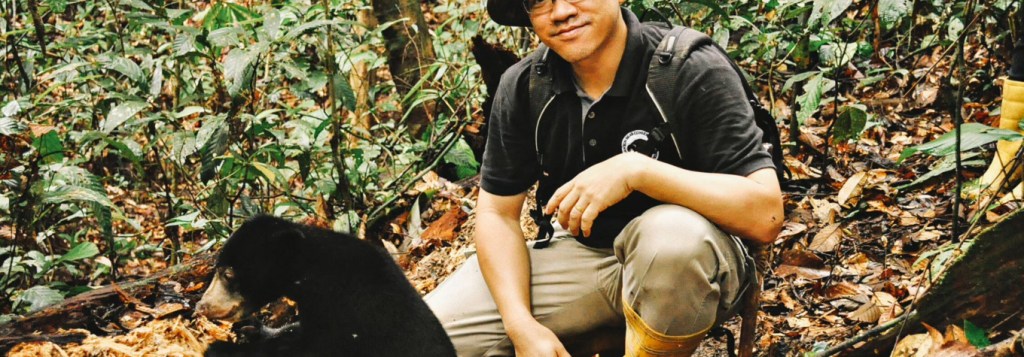
Wildlife biologist and ecologist Wong Siew Te has the honour of being Malaysia’s “Papa Bear”, a moniker earned by his commitment to the Malayan sun bear. Sporting wire-rimmed glasses and a smile that lights up his face when he speaks about his life’s work, the Penang-born biologist is the founder of the Bornean Sun Bear Conservation Centre (BSBCC) in Sandakan, Sabah.
The BSBCC is the world’s only sun bear sanctuary and works closely with the Sabah Wildlife Department (SWD) to rescue, rehabilitate and eventually release captive bears illegally kept as pets or displayed in recreation parks, mini-zoos and crocodile farms across Sabah. Today, over 40 rescued sun bears reside in its sprawling 25,000m2 facility within the Sepilok-Kabili Forest Reserve.
At the BSBCC, a typical day sees Wong feeding and tending to the rescued bears, giving visitors an educational tour of the rainforest premises and their rehabilitation efforts, creating content on its social media pages, engaging fundraisers – and this is just scratching the surface of the various hats he wears as a conservationist and wildlife biologist.
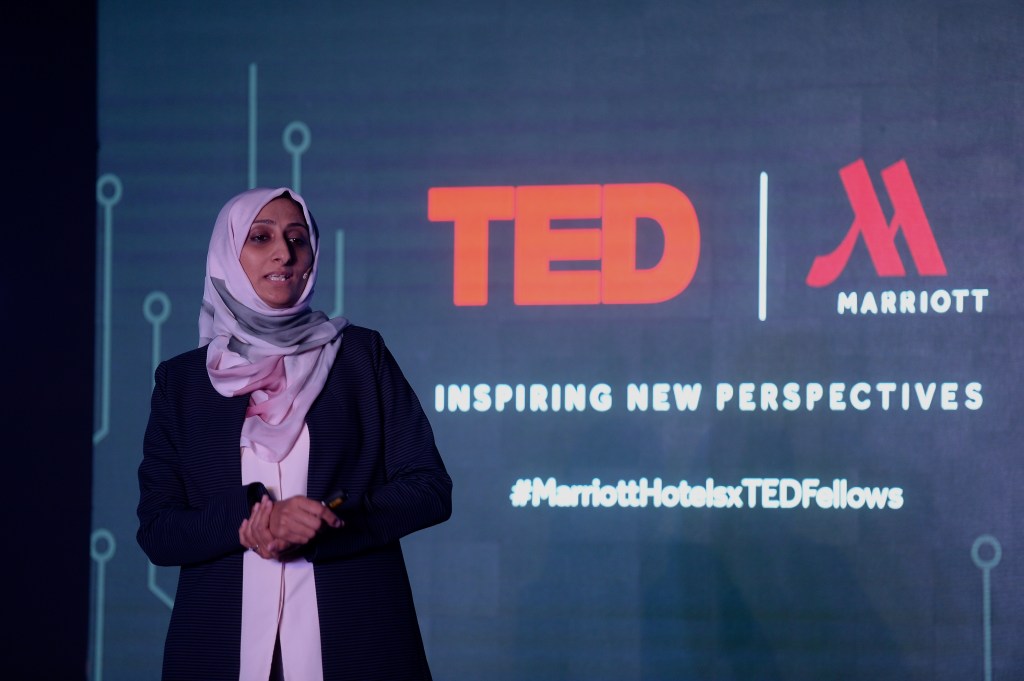
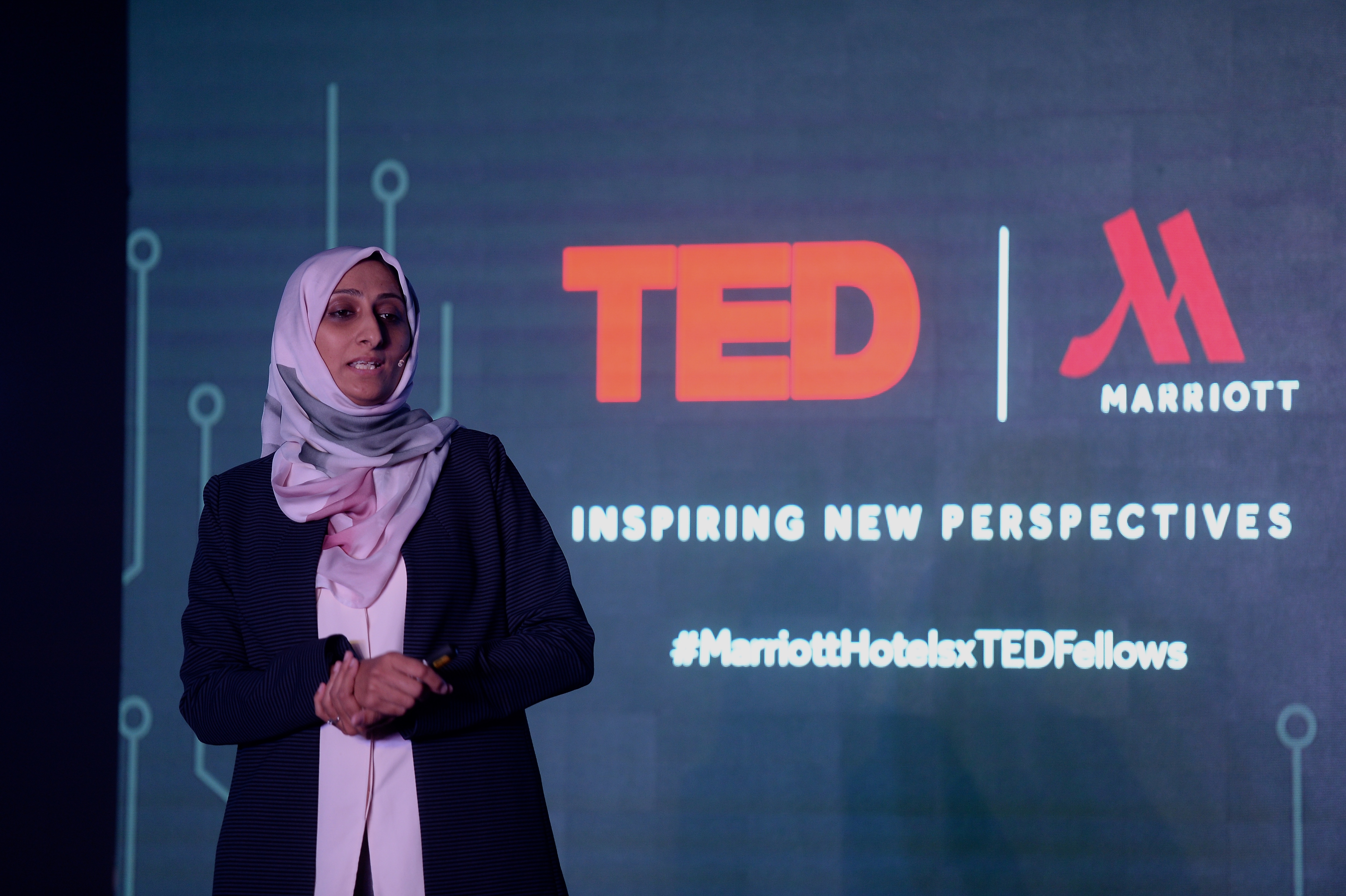
Early this September, I boarded a four-hour flight to the city of Bangalore in India, to attend the Marriott x TED Salon’s newest panel within Asia-Pacific, called ‘Women in Innovation’.
It couldn’t have been a better-curated panel of speakers: there was Zubaida Bai from India (founder of ‘ayzh’ and women’s health advocate); AshaDeVos from Sri Lanka (marine biologist pioneering blue whale research in the North Indian Ocean); and TrangTran from Vietnam (social entrepreneur and founder of Fargreen).
Different fields of interest; different women hailing from different corners of APAC; very stimulating discussions.
Held at the Bengaluru Marriott Hotel Whitefield, this marks the second year of Marriott’s partnership with TED. Previous editions include their APAC series last year in Bangkok, with upcoming similar TED Salons in Vancouver, Boston, Cairo, and Athens this year. And Bangalore, often touted as the Silicon Valley of India and the hub of innovation and progressive ideas in the country, was certainly the ripe place for this discussion.
I got the opportunity to speak with Zubaida Bai, founder and CEO of ayzh (pronounced “eyes”), a social enterprise that designs products to improve women’s health across their reproductive lives.
Zubaida is a testimony to how having women at the helm of organisations influencing women’s health can translate to effective results. And Ayzh is the perfect illustration of how the simplest ideas are sometimes the most potent.
Her flagship product at ayzh was ‘janma’, a Clean Birth Kit which costs USD3, that comes designed in pink biodegradable jute bag – which the mothers can, and often do, reuse as a purse. Since first launching in 2012, ayzh has now expanded their products to include kits addressing needs for newborn health, postpartum health, and menstrual health, and expanded across India and also Africa.
I remember first learning about you and your work, through your flagship product ‘janma’, the clean birth kit. And I thought: what a simple, but effective idea. Talk us through that ‘a-ha’ moment that led to the birth of, well, your birth kit.
I was travelling and meeting women’s health organisations and randomly met a midwife through the trip, who was using agricultural tools to give birth to babies. I think that was pretty much my ‘a-ha’ moment – I don’t think I’d decided until months after with what I had wanted to do with what I had seen. I just that I knew I had wanted to do something about what I’d seen. But it was basically a moment where I just knew something was wrong with the system, and it needed to be fixed.




 Sarah Khan